

Mrs Conor Fardon1, Ms Krystal Smith1
1Queensland Ambulance Service, Kedron, Australia
Conor Fardon is an experienced, practical, and solutions-focused organisational development leader, with a proven track record of partnering with business areas to enable leaders and workplace teams to take action to enhance capacity, capability, connection, and culture. In her 18 years of service across Queensland Government agencies, with the last 9 of those being with QAS, Conor has committed to working with leaders, teams, and individuals to change behaviours, cultures and ultimately improve employee experiences in organisations.
Conor believes in working with leaders to create the best workplace environment and culture to ensure that all employees can bring not only their whole selves to work, but also their best selves.
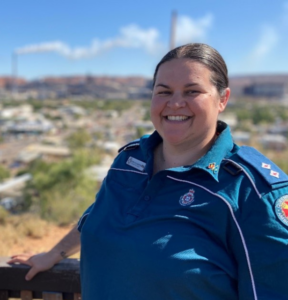 Krystal Smith is a registered healthcare professional and paramedic, is a proud member of the Kanak, Sabatino, Sebasio, Ahwang and Sabbo lineage, with connections to the Eastern Islands of the Torres Straits, specifically Darnley (Erub) Island.
She graduated from the Indigenous Paramedic Program (IPP) with the Queensland Ambulance Service and has dedicated 14 years to serving remote communities.Her career is distinguished by her appointment to leadership and managerial roles, where she has actively contributed to cultural change and progress within her organisation. Motivated by the sacrifices of her family and predecessors, Krystal is deeply committed to enhancing outcomes for Aboriginal and Torres Strait Islander people. Her work focusses on harnessing lived experiences to create change and emphasises the importance of First Nations voices in decision making, particularly in matters affecting their communities.
Presentation Title and Overview: Advancing Health Equity and Cultural Safety – Building Culturally Safe Ambulance Services to Close the Gap
Persistent health equity disparities among Aboriginal and Torres Strait Islander peoples highlight the enduring impact of complex social determinants of health and historically culturally unsafe healthcare. As a leading ambulance service in Australia, the Queensland Ambulance Service (QAS) operates within a diverse geographic and response environment, including numerous discrete First Nations communities.
Over the past decade, the QAS has undertaken a transformative journey to address disparities faced by Aboriginal and Torres Strait Islander individuals and communities, both within its workforce and among service recipients. This presentation delves into the QAS’s efforts to cultivate culturally safe ambulance services, detailing challenges, achievements, and insights gained.
Central to the QAS’s strategy is a comprehensive organisational approach that integrates First Nations perspectives across governance structures. This includes active involvement in First Nations Health Equity planning and initiatives such as the Indigenous Paramedic Program, aimed at enhancing workforce diversity. Additionally, co-design methodologies have been employed to develop organizational policies and processes that authentically reflect First Nations voices.
The outcome of these initiatives is the establishment of robust frameworks ensuring the longevity of efforts, facilitating ongoing progress in health equity and cultural safety for Aboriginal and Torres Strait Islander peoples, and advancing towards closing the gap.
The session proposed would include discussion around the following:
- Our journey to date with health equity and cultural safety
- Barriers and challenges to the agenda (including mitigation strategies)
- Opportunities and achievements
- Where to next (Health Worker Project, expansion of programs etc.)